
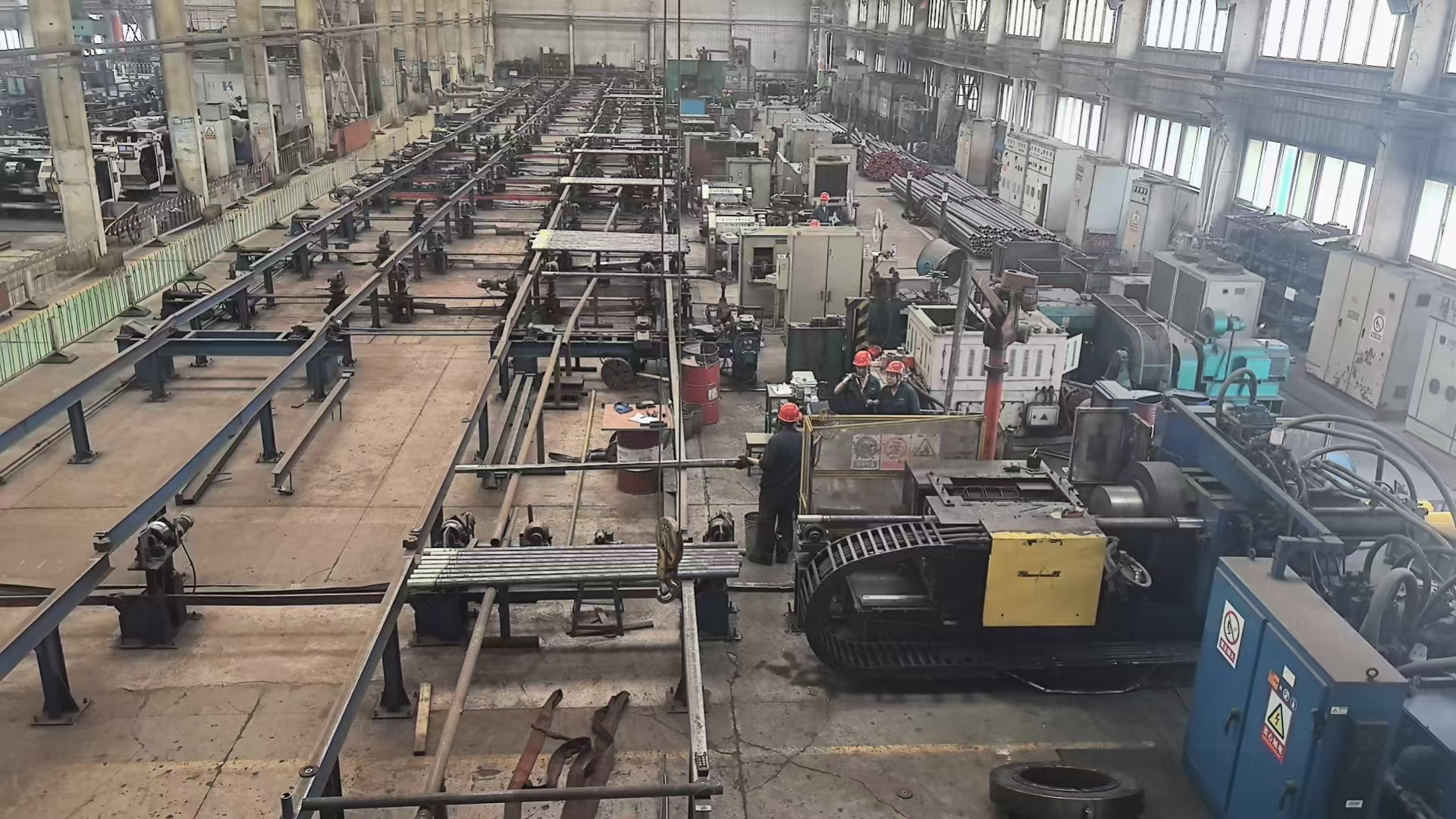
Short answer: DTH drilling is generally well suited to competent rock because a pneumatic hammer breaks rock at the bottom of the hole and air lifts the cuttings. Mud rotary is often preferred in unconsolidated or unstable formations because circulating drilling fluid transports cuttings and helps support the bore. Mixed formations may require casing, fluid control, method changes, or a rig configured for more than one technique.
The best drilling method is not decided by depth alone. A 150 m well in competent granite presents a very different problem from a 150 m well through clay, loose sand, gravel, weathered zones, and a fractured aquifer. The method affects rig configuration, compressor or pump size, drill pipe, bits, site preparation, water use, waste handling, well development, operating cost, and operator skill.
This comparison is intended for drilling contractors, equipment distributors, NGOs, project owners, and procurement teams selecting a water well drilling package. It explains the decision variables without pretending that one method wins in every formation.
DTH and Mud Rotary in One Comparison Table
| Decision factor | DTH / air-hammer drilling | Mud rotary drilling |
|---|---|---|
| Basic mechanism | A down-the-hole hammer delivers percussion at the bit while the string rotates | A rotary bit cuts or crushes formation while drilling fluid circulates through the string and annulus |
| Typical strength | Efficient rock breaking in competent medium-to-hard formations | Hole cleaning and bore support in many unconsolidated or unstable formations |
| Circulation equipment | High-pressure, high-volume air compressor; sometimes water/foam injection | Mud pump, tanks or pits, mixing and solids-control arrangement |
| Cuttings return | Exhaust air carries cuttings upward through the annulus | Drilling fluid carries cuttings to the surface return system |
| Bore support | Air alone provides limited wall support; casing may be needed in unstable layers | Properly managed fluid can help stabilize the bore wall |
| Water at site | Lower process-water requirement in many applications, though injection may be used | Requires a planned water and drilling-fluid supply |
| Key matching risk | Insufficient pressure/airflow for hammer cycling and hole cleaning | Insufficient flow, poor mud properties, lost circulation, or inadequate solids control |
| Common operational concern | Dust, noise, water influx, air losses, stuck tools in collapsing zones | Fluid management, disposal, formation damage, cleanup, and well development |
| Best choice when | Formation, hole size, depth, hammer, compressor and casing plan align | Formation, hole stability, fluid program, pump and return system align |
This table is a screening tool. The final method should be based on local bore logs, nearby wells, contractor experience, and a defined construction program.
How DTH Drilling Works
A DTH hammer sits at the bottom of the drill string directly behind the bit. Compressed air travels through the rotary head and drill pipes to the hammer. The piston strikes the bit, the string rotates to distribute the impacts, and exhaust air passes through the bit to flush broken cuttings upward.
This bottom-hole impact reduces the energy loss that would occur if percussion had to travel down a long rod string. In competent rock, DTH can produce a relatively direct and controllable drilling action. The method is widely associated with hard-rock water wells, but actual performance still depends on rock condition, fractures, hole diameter, water influx, hammer design, bit condition, compressor capacity, and operator settings.
What the compressor must do
The compressor has two jobs: supply the pressure needed for the hammer to operate and provide enough airflow to transport cuttings. The pressure and free-air-delivery requirement must be taken from the selected hammer’s performance data, then checked against depth, bit diameter, drill-pipe OD, annular area, hose losses, altitude, expected leakage, and water conditions.
More pressure does not correct every problem. If airflow is insufficient, cuttings may be re-ground, penetration can fall, and the drill string can become difficult to recover. If the compressor is oversized without proper controls and compatible equipment, cost and fuel consumption may rise without proportional benefit.
Where DTH can become difficult
Loose overburden, swelling clay, running sand, gravel, cavernous zones, severe fractures, and high water inflow can complicate air drilling. The bore may collapse before casing is installed, circulation may be lost, or large water returns may reduce cleaning effectiveness. Possible responses include temporary or permanent casing, overburden systems, foam or water injection, reduced annular area, altered drilling parameters, or a change in method. These choices require site-specific engineering and an experienced operator.
How Mud Rotary Drilling Works
In conventional direct mud rotary drilling, a pump sends drilling fluid down the drill string. Fluid exits near the bit, cools and cleans the cutting area, and returns through the annulus carrying cuttings to the surface. At the surface, cuttings settle or are removed and conditioned fluid is recirculated.
The fluid is an engineered working medium, not simply dirty water. Its density, viscosity, filtration behavior, solids content, and additives must suit the formation and construction plan. Correct fluid management can assist cuttings transport and bore stability. Incorrect fluid properties can slow drilling, increase pump load, contribute to lost circulation, or make well development more difficult.
What the mud system must do
The system needs adequate pump flow and pressure, tank or pit capacity, mixing, return channels, settling or mechanical solids removal, and a method for controlling properties. The required annular velocity depends on hole and pipe dimensions, cuttings, formation, and drilling rate. The surface layout must prevent uncontrolled discharge and allow safe access for sampling, mixing, and cleaning.
Water availability and disposal rules should be checked before mobilization. Transporting water to a remote site or managing waste fluid in an environmentally sensitive area can materially affect project cost.
Where mud rotary can become difficult
Very hard, abrasive rock may reduce penetration with conventional rotary bits and increase bit wear. Fractured or cavernous formations can lose circulation. Thick or poorly conditioned mud may mask water-bearing zones or require more extensive well development. Cold weather, limited water supply, constrained work areas, and inadequate solids control can also reduce efficiency.
Choose by Formation: A Practical Decision Framework
Competent hard rock
DTH is often the first method to evaluate. The hammer’s bottom-hole percussion is designed to break rock, while the air system removes chips. Confirm the expected unconfined rock condition, fractures, hole size, hammer/bit match, compressor capacity, and water-inflow plan. “Hard rock” alone is not a complete specification; abrasive quartz-rich rock, fractured limestone, and massive granite can behave differently.
Clay, sand, silt, and unconsolidated sediment
Mud rotary is frequently considered because managed fluid can transport cuttings and help support the bore. Casing may still be required, especially through running sands, gravel, shallow contaminated zones, or formations where fluid support is insufficient. The fluid program and well-development plan should be designed together.
Gravel and boulders
Neither label provides an automatic solution. Large cobbles can deflect bits or block returns; loose gravel can collapse. Depending on local practice, the answer may involve casing advancement, specialized bits, dual rotary, cable tool, reverse circulation, or a staged approach. If a supplier recommends a standard DTH or mud rotary package, ask for the exact procedure through the problematic interval.
Weathered rock over competent rock
This common profile often requires two phases. The upper weathered or unstable interval may need mud drilling or casing support; the competent rock interval may then be drilled with DTH. A multi-method project requires compatible rotary speed and torque, fluid/air interfaces, adapters, clamps, mast travel, and sufficient space for both auxiliary systems.
Fractured rock and high water inflow
Fractures can improve aquifer potential but complicate circulation. Air can escape into the formation; drilling fluid can be lost; unstable fracture zones can trap tools. Use local well records and define contingency materials, casing, loss-control procedures, and recovery equipment before drilling.
Equipment Requirements Beyond the Rig
DTH package
A complete DTH package may include the rig, compressor, high-pressure hoses and safety restraints, water/foam injection as needed, drill pipe, top sub, DTH hammer, bits, lubricator, breakout tools, casing equipment, and service parts. Each thread and pressure rating must be compatible.
The hammer and bit selection drives the air requirement. The rig’s rotary head must provide a suitable torque and speed range, while feed control should keep the hammer correctly loaded without excessive force. Pullback capacity should be evaluated for the complete string and recovery conditions—not just dry pipe weight.
Mud rotary package
A mud rotary package may include the rig, swivel or rotary-head fluid passage, mud pump, suction and discharge hoses, tanks or pits, mixer, screens or solids-control equipment, drill pipe, bit and subs, casing tools, and fluid-testing equipment. Pump and hose pressure ratings must exceed the planned operating conditions with an appropriate margin.
The site also needs a flow path that is visible and controllable. Returns are information: cuttings size, color, fluid loss, and changes in flow can help the driller interpret the hole.
A catalog example, not a universal answer
One supplied crawler-rig catalog lists a model envelope of 140–254 mm hole diameter, 180 m drilling depth, 76 or 89 mm drill pipe, 1.7–2.5 MPa operating air pressure, and 17–31 m³/min air consumption. These figures indicate a DTH-oriented configuration to investigate. They do not establish the correct hammer, compressor, bore diameter, or achievable depth for a specific formation. Final matching requires the selected tool data and project conditions.
Cost Comparison: Look Beyond Drilling Speed
There is no reliable universal statement that one method is always cheaper. Compare costs by the completed, accepted well.
DTH cost drivers
- compressor purchase or rental and fuel consumption;
- hammer, bit, pipe, thread, and adapter wear;
- water/foam injection and compressor maintenance;
- casing or overburden system for unstable layers;
- noise and dust controls;
- penetration rate in the actual rock;
- recovery risk and downtime in broken formations.
Mud rotary cost drivers
- pump, tanks, mixing and solids-control equipment;
- water sourcing, transport, additives, and testing;
- fluid losses and disposal;
- bit wear and penetration in harder intervals;
- site cleanup and well development;
- casing, lost-circulation materials, and contingency time.
Use a test bore or verified local production records when the project is large enough to justify them. Avoid comparing a supplier’s best-case penetration rate with another method’s average field rate.
Factory Testing and Shipment Inspection
The factory cannot reproduce every formation, but it can verify the supplied system’s functions and interfaces.
For a DTH configuration, inspect rotation, feed and pullback, air-path connections, clamps and breakout range, hose ratings, lubricator/injection equipment, top sub, drill-pipe threads, hammer/bit compatibility, and safety guards. If a compressor is included, confirm model, rated free-air delivery and pressure, service items, and connection sizes against the technical schedule.
For a mud rotary configuration, inspect pump interface, fluid passage, hoses, valves, pressure ratings, tank/mixer or supplied accessories, rotation under controlled conditions, and the exact subs and bits. A water circulation test can identify leaks and basic routing problems, but it is not a substitute for drilling in the target formation.
During shipment inspection, cap every thread and open fluid/air connection, restrain hoses, protect gauges and controls, identify accessory boxes, and photograph serial numbers. The packing list should name hammers, bits, subs, hoses, clamps, pump parts, and spare kits individually rather than grouping them as “tools.”
Installation and First-Hole Preparation
For DTH, prepare a level pad, compressor position, hose route, whip restraints, lubrication, water injection if planned, dust or discharge control, and a safe pipe-handling area. Check hammer oil and bit retention, thread condition, makeup practice, and compressor operating instructions before starting.
For mud rotary, construct or install the return system, confirm clean water, mix and test the fluid, prime the pump, pressure-test hoses, and prepare a controlled waste plan. Ensure that the drilling crew understands how fluid properties will be measured and adjusted.
In either method, record baseline settings and observations during the first bore: formation changes, depth, bit, rotation, feed, air pressure/flow or pump pressure/flow, returns, penetration trend, water strikes, tool wear, and problems. This operating record becomes more valuable than a generic catalog claim.
Frequently Asked Questions
Is DTH better than mud rotary for hard rock water wells?
DTH is commonly favored for competent medium-to-hard rock because percussion occurs at the bottom of the hole. However, fractures, water influx, overburden, hole diameter, compressor capacity, and casing requirements can change the decision. Confirm the full formation profile, not only the hardest layer.
Is mud rotary suitable for rock?
Rotary drilling can drill some rock formations with appropriate bits, torque, weight and circulation, but penetration and wear depend strongly on rock strength and abrasiveness. In hard competent rock, DTH may be more efficient. A local test or comparable bore record is the best evidence.
Can the same rig use DTH and mud rotary?
Some rigs can be configured for both, but verify rotary speed and torque, feed/pullback, air and fluid paths, swivel or head design, clamps, subs, pipe, pump/compressor interfaces, and controls. “Dual-purpose” should be supported by a written configuration list.
Does DTH drilling require water?
The hammer is powered primarily by compressed air, but water or foam may be injected for dust suppression, difficult hole cleaning, or particular formations. Site and environmental requirements still apply. Do not assume an air-drilling project has zero water needs.
Does mud rotary damage the aquifer?
Properly designed and controlled drilling fluid is a standard part of many well programs, but residual fluid and fine solids must be removed during well development. Fluid selection, losses, sanitary controls, completion design, and development procedures should follow local standards and hydrogeological requirements.
Which method gives a straighter hole?
Hole deviation depends on formation changes, bit and bottom-hole assembly, pipe stiffness, feed, rotation, operator technique, and machine alignment. DTH can provide controlled rock drilling, but no method guarantees straightness in every ground condition. Define how alignment and deviation will be monitored if the project is sensitive.
What information is needed to choose between the methods?
Provide nearby bore logs, expected layers and depths, target and final bore diameters, casing program, required well yield or completion, water availability, site restrictions, environmental rules, and existing compressor, pump, pipe and tooling. Uncertainty should be recorded explicitly.
Conclusion
DTH and mud rotary solve different drilling problems. DTH uses bottom-hole percussion and compressed air, making it a strong candidate for competent rock. Mud rotary uses controlled fluid circulation, making it valuable where cuttings transport and bore support are central concerns. Real projects often contain both conditions.
Select the method before selecting the machine. Then match the rig, circulation equipment, drill string, tooling, casing system, site preparation, inspection plan, and operator procedure to that method. This sequence produces a more defensible quotation and a more workable field package.
Technical Sources and Scope
The comparison uses the USGS reference on air-rotary and hydraulic-rotary water-well drilling and Epiroc’s description of DTH hammer operation as general technical references. Local geology, regulations, selected tooling and manufacturer data control the final method decision.


