
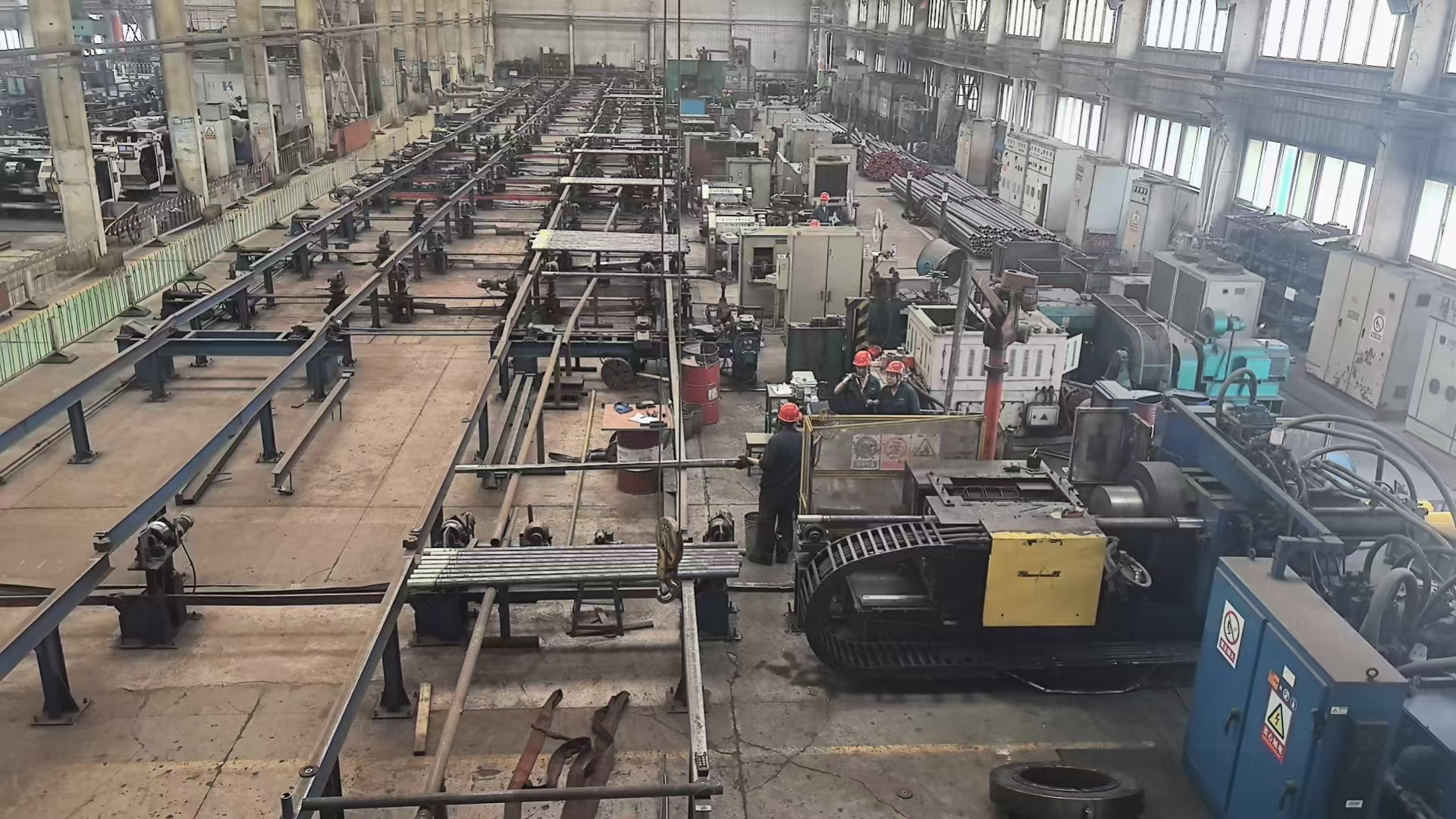
The term “drill rod” covers a wide range of products. Rods can differ by drilling method, connection, outside diameter, wall design, length, flushing arrangement and the loads they are expected to carry. Two rods that look similar in a catalogue may not be interchangeable in the field.
Classify Rods by Application
Rotary drilling rods are commonly selected for systems where torque and rotation are central. Percussive drilling rods must account for repeated impact and energy transfer. Core drilling rods are part of a system designed to recover a cylindrical rock sample, so the rod, tube, bit and core-barrel interface must be considered together. Reverse-circulation and other specialized methods can have their own tooling and air or fluid requirements.
The correct category follows the complete drilling plan, not just the product name. Confirm the formation, hole size, depth range, rig, tooling and flushing medium before selecting a rod family.
Understand the Connection
Thread profile, shoulder arrangement, nominal size and make-up practice determine how components join and transmit load. Check the connection against the drill rig, subs, adapters, bits and other tools. A nominal diameter is not enough; two pipes with the same outside diameter can have different threads, shoulders, wall thicknesses or air passages.
Look Beyond Outside Diameter
Wall thickness, internal passage, effective length and straightness can influence flushing, stiffness, handling and hole performance. Material and heat treatment are relevant, but they should be discussed together with inspection and manufacturing controls. A higher nominal strength does not remove the need for correct operation.
Before mixing rods from different sources, verify dimensional compatibility, operating limits and supplier guidance. Even when a connection can be assembled, differences in shoulder contact or load transfer may create an unreliable string.
For a practical comparison, prepare a list covering drilling method, formation, planned hole size, depth range, rig model, tooling connection and flushing medium. This lets a supplier recommend a compatible rod family and identify the questions that still need confirmation.


